The Psychology of the C-Suite Inbox
To understand why the 3-sentence rule works, you first have to visualize the daily reality of a CEO’s digital life. On average, a chief executive receives upwards of 120 emails per day, many of which are long-winded pitches, internal reports, and automated notifications. Their inbox isn't a place for casual reading; it is a high-stakes triage center. They are scanning for three specific things: relevance, urgency, and the "ask." If your message requires scrolling, it is statistically more likely to be flagged for "later"—which, in executive terms, usually means "never."
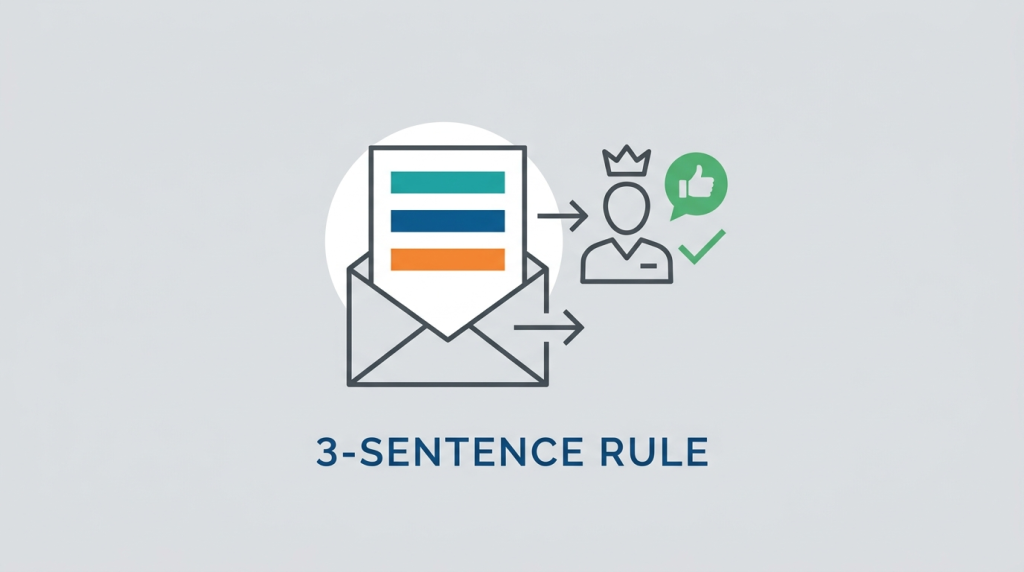
The "3-Sentence Rule" isn't just about being brief; it's about being surgical. It forces the sender to distill their value proposition into its purest form. By limiting yourself to three specific sentences, you signal to the CEO that you respect their time. This psychological cue builds immediate rapport. It suggests that you are a high-level thinker who can synthesize complex information—a trait that CEOs value above almost all else in their partners and employees.
Sentence One: The Contextual Hook
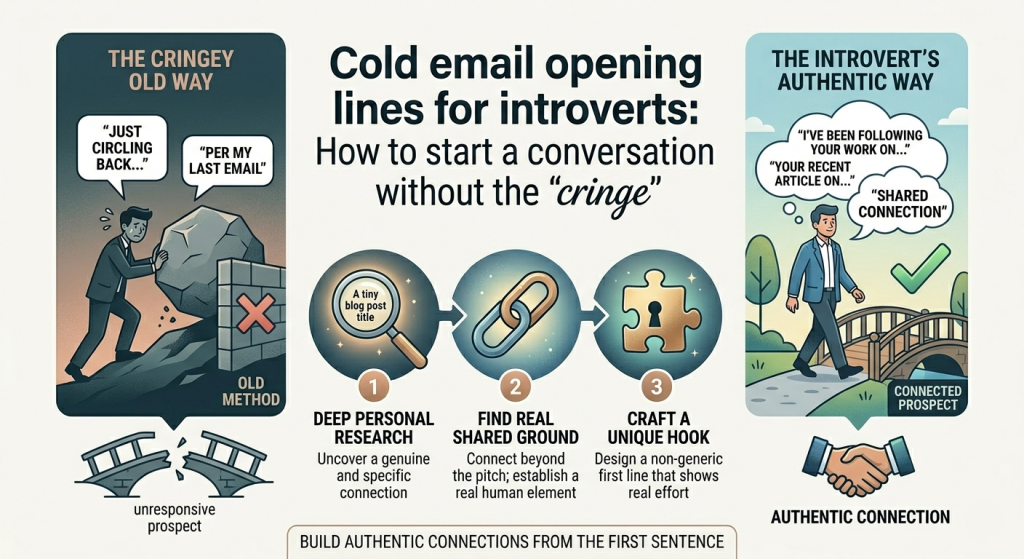
The first sentence is the most critical real estate in your entire email. Its only job is to provide immediate context and answer the silent question every executive asks: "Why am I receiving this?" This is not the place for "I hope you're having a great week" or other generic pleasantries. Instead, you must lead with a specific, high-value connection or an observation about their current business trajectory.
Effective hooks often reference a recent interview they gave, a specific data point from their latest quarterly report, or a mutual high-level connection. For example, "I followed your recent comments on the [Industry] podcast regarding the shift toward decentralized supply chains." This immediately establishes that you aren't a bot and that you have done the homework required to earn their attention. It creates a bridge between your expertise and their current reality.
Sentence Two: The Value Proposition (The 'Why')
Once you have established context, the second sentence must deliver the "meat" of the message. This is where you explain exactly how you can solve a problem or enhance an opportunity mentioned in the first sentence. In 2026, generalized promises of "saving money" or "increasing ROI" are ignored. You need to be granular.
Think of this sentence as your elevator pitch condensed into twenty words. Focus on a specific outcome. If you are reaching out to a CEO of a logistics firm, your second sentence might be: "We’ve developed a protocol that reduced operational latency by 14% for firms similar to [Company Name] during peak Q4 cycles." Notice the use of specific numbers and industry-relevant terminology. You are demonstrating competence without the need for fluff, moving the conversation from a generic pitch to a potential business asset.
Sentence Three: The Low-Friction Ask
The final sentence is where many outreach attempts fail. Most people ask for a "30-minute meeting next Tuesday," which is a massive time commitment for a CEO. The "3-Sentence Rule" advocates for a low-friction call to action (CTA). Your goal here is to get a "yes" or "no" response with as little cognitive load as possible for the recipient.
Instead of asking for a meeting, ask for permission to share more information or a brief document. A phrase like, "If this is a priority for your team this year, would you be open to a two-minute executive summary of our findings?" is far more effective. It allows the CEO to delegate the task or reply with a simple "Send it over." By lowering the barrier to entry, you significantly increase the conversion rate of your cold outreach.
Beyond the Three Sentences: The Subject Line
While the body of your email is constrained by the 3-sentence rule, your subject line is the gatekeeper. In 2026, the best subject lines are "internal-sounding" and descriptive rather than "salesy." Avoid using all caps, emojis, or clickbait. Instead, use a subject line that looks like it could have come from a colleague.
Examples such as "Question regarding [Specific Project Name]" or "Thought on your [Recent Event] commentary" work because they are non-threatening and relevant. The subject line should act as a natural precursor to your first sentence, creating a seamless narrative flow that leads the CEO from the notification on their phone to the final CTA of your email.
The Role of Technical Deliverability
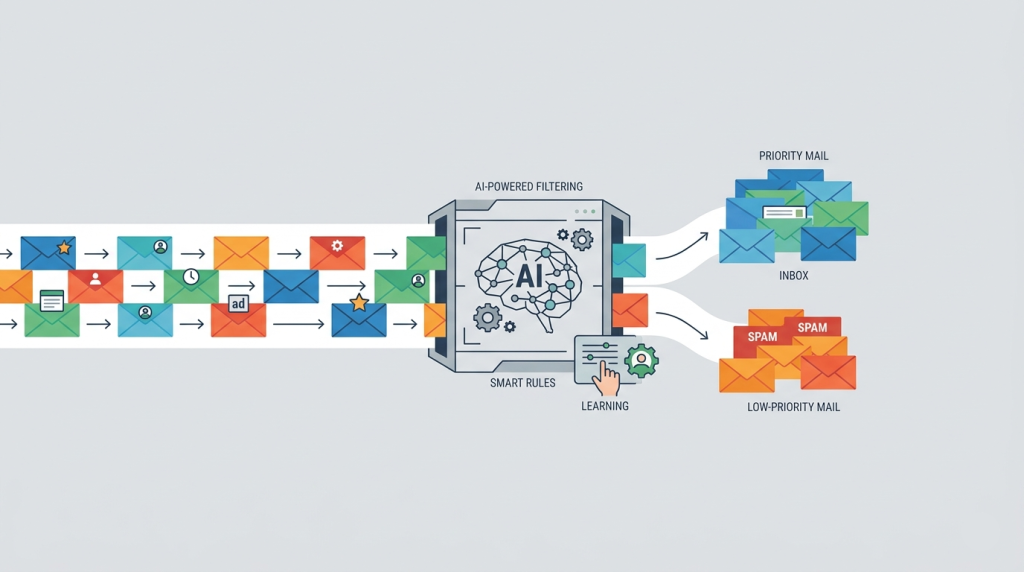
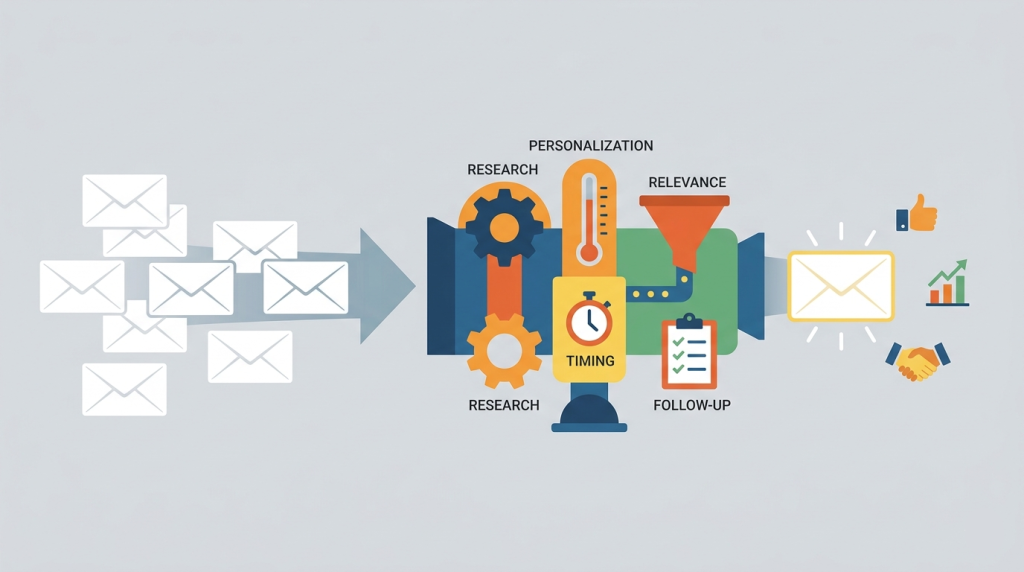
Writing the perfect three sentences won't matter if your email is filtered into the spam folder. As we move deeper into 2026, email providers use increasingly sophisticated AI to detect outreach patterns. To ensure your 3-sentence email hits the primary inbox, you must have your technical house in order. This includes having authenticated SPF, DKIM, and DMARC records.
Furthermore, the "reputation" of your sending domain is tied to how often people reply. This is the hidden advantage of the 3-sentence rule: because it is brief and respectful, it generates higher reply rates, which in turn signals to ISPs that your emails are "wanted" content. This creates a virtuous cycle where your deliverability improves precisely because your content is high-quality and concise.
Timing and Frequency: When to Hit Send
The "When" is often as important as the "What." Data suggests that CEOs often check their emails during "transition times"—early morning before the day’s meetings begin, or late in the evening when the office has quieted down. Sending your 3-sentence email at 8:00 AM local time or 7:00 PM can often place you at the top of their list during these review periods.
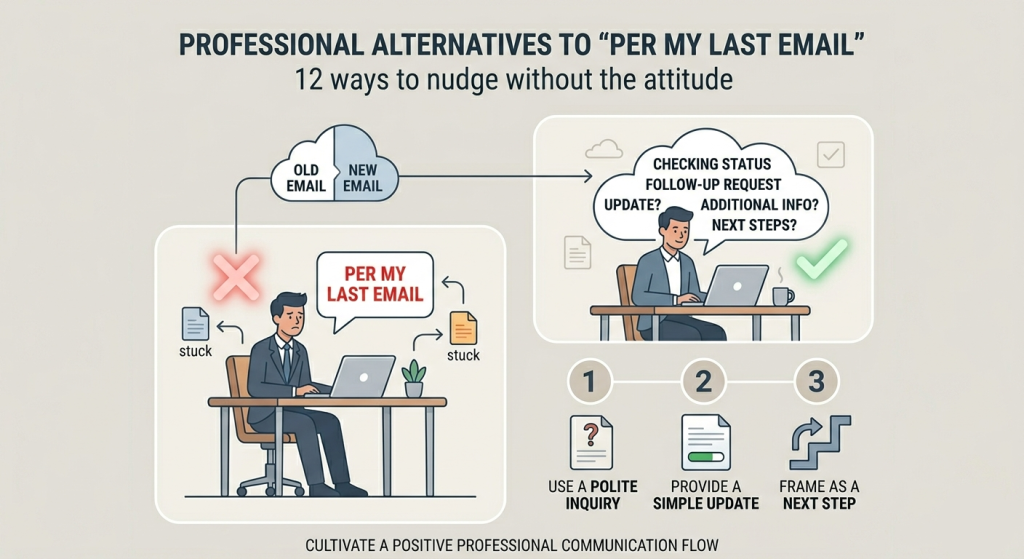
However, don't be discouraged if you don't get an immediate reply. Executives are busy, and even the best email can get buried. A follow-up, sent 3-5 days later, that adheres to the same 3-sentence brevity, can often be the nudge they need. Simply saying, "Bringing this to the top of your inbox in case it was buried—would love to share that summary if the timing is right," shows persistence without being annoying.
Common Pitfalls to Avoid
The most common way people break the 3-sentence rule is by adding "just" or "only" to their sentences. "I'm just reaching out to..." or "I only wanted to say..." These words weaken your position and add unnecessary length. Be authoritative. You have a solution that provides value; there is no need to apologize for bringing it to their attention.
Another pitfall is the "hidden" fourth sentence—the long signature. If your email is three sentences but your signature contains five links, three social media icons, and a legal disclaimer the size of a novel, the visual impact of your brevity is lost. Keep your signature clean: name, title, and perhaps one link to your website. Let the content of the email be the star.
The Future of Executive Outreach
As AI continues to automate the world of sales, the "human touch" will become the ultimate premium. The 3-sentence rule is, at its heart, a human strategy. It demonstrates empathy for the recipient's situation and clarity of thought that AI often struggles to replicate. While machines can generate text, only a human can understand the nuance of a specific CEO's public statements and tie them to a relevant business solution in thirty words or less.
In the coming years, those who can communicate with brevity and precision will be the ones who move the needle. Whether you are a startup founder looking for investment, a salesperson targeting enterprise accounts, or an employee proposing a new initiative, mastering the 3-sentence rule is your ticket to the C-suite.