The Evolving Landscape of Email Filtering
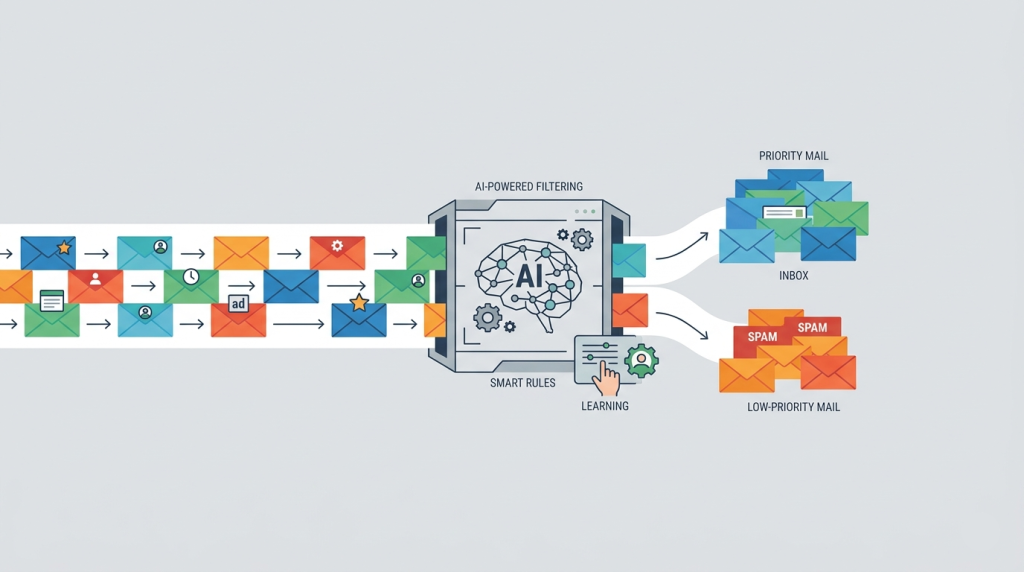
In 2026, email providers like Google, Microsoft, and specialized enterprise filters have moved far beyond simple keyword matching. They now utilize sophisticated Large Language Models (LLMs) to analyze the intent, context, and "sentiment" of every message. However, certain "trigger words" still act as immediate red flags. These words are statistically linked to phishing, scams, and low-value marketing, causing filters to increase your spam score instantly.
Understanding these triggers is no longer just for marketers; it is essential for sales professionals, recruiters, and even internal communications. If your email is flagged as spam, it doesn't just affect that one message—it damages your sender reputation and can eventually lead to your entire domain being blacklisted.
High-Risk Trigger Words by Category
To make this list actionable, we have categorized these triggers based on the "emotions" or "tactics" they represent. While using one of these words occasionally won't necessarily doom your email, a high density of them is a guaranteed ticket to the junk folder.
1. Artificial Urgency & Pressure
Filters are highly sensitive to "hard-sell" tactics that pressure the user into taking immediate action without context.
Act Now
Urgent
Final Call
Instant
Immediate
Limited Time
2. Financial Gimmicks & "Free" Offers
Anything that sounds like a "get rich quick" scheme or a generic financial giveaway will trigger modern financial security filters.
100% Free
No Cost
Cash
Double Your Income
Earn Extra
Lowest Price
3. Suspicious Legal & Security Claims
Phishing filters look for words that impersonate banks or legal entities to scare users into clicking links.
Verify Account
Unauthorized
Action Required
Security Notice
The Context Trap: Why Words Alone Aren't Enough
It is a common misconception that the word "Free" is a death sentence for your email. If you are sending an invoice that says "Shipping: Free," a modern filter understands the context. However, if your subject line is "FREE GIFT INSIDE!!", you are triggering multiple flags: excessive capitalization, repetitive punctuation, and a high-risk keyword.
In 2026, the Density-to-Value ratio is the metric that matters. If your email contains 200 words of valuable, industry-specific content and happens to use the word "discount" once, you are likely safe. But if your email is only 20 words long and 5 of those are trigger words, the filter will conclude that your message lacks substance.
Top 5 Formatting "Triggers" (Worse than Words)
Sometimes, it's not what you say, but how you display it. Technical triggers can be more damaging than the vocabulary you choose.
-
1
ALL CAPS SUBJECT LINES: This is the digital equivalent of screaming and is an immediate red flag for every major ISP.
-
2
Excessive Punctuation: Using multiple exclamation points (!!!) or question marks (???) suggests desperation and low-quality content.
-
3
Red Font or Odd Colors: Traditional spam often uses bright red text to draw attention. Modern filters flag unusual HTML styling within the body text.
-
4
Link Shorthand (Bitly/TinyURL): Spammers use these to hide malicious destinations. Use full, descriptive URLs or hyperlinked text that matches your domain.
-
5
Low Text-to-Image Ratio: Sending an email that is just one large image with no text is a classic spam tactic to hide words from filters. Always include at least two paragraphs of plain text.
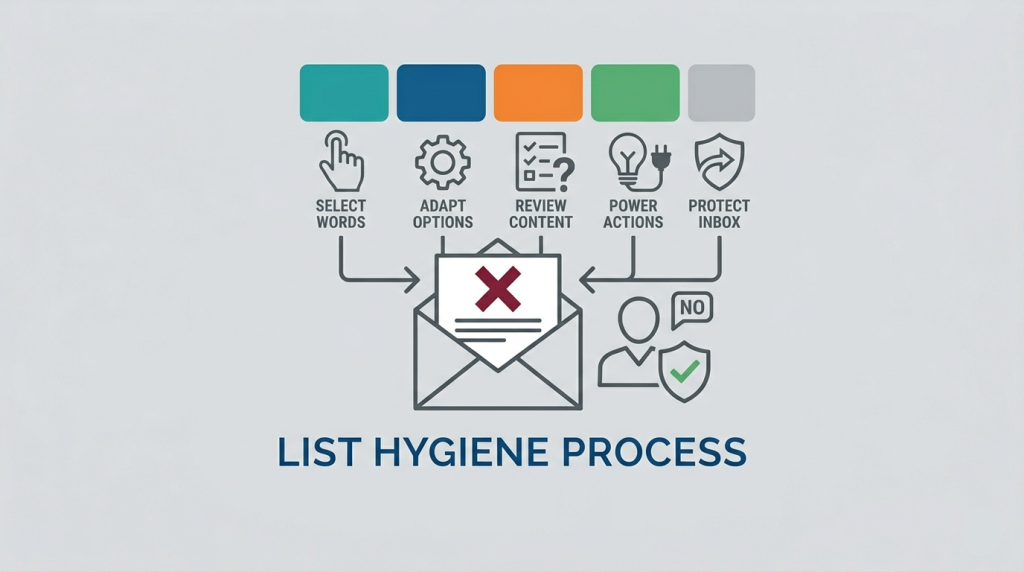
How to Test Your Content Before Sending
Before you blast your list, you should perform a "Spam Check." There are several ways to do this without expensive software. First, send a test email to a variety of personal accounts (Gmail, Outlook, iCloud) and see where they land.
Second, use a "seed list" or a tool like Mail-Tester. These services provide a temporary email address you can send to, and they will give you a detailed breakdown of your "Spam Score," including technical errors in your DKIM or SPF records that might be working alongside your trigger words to sink your deliverability.
Conclusion: Aim for Human-to-Human Connection
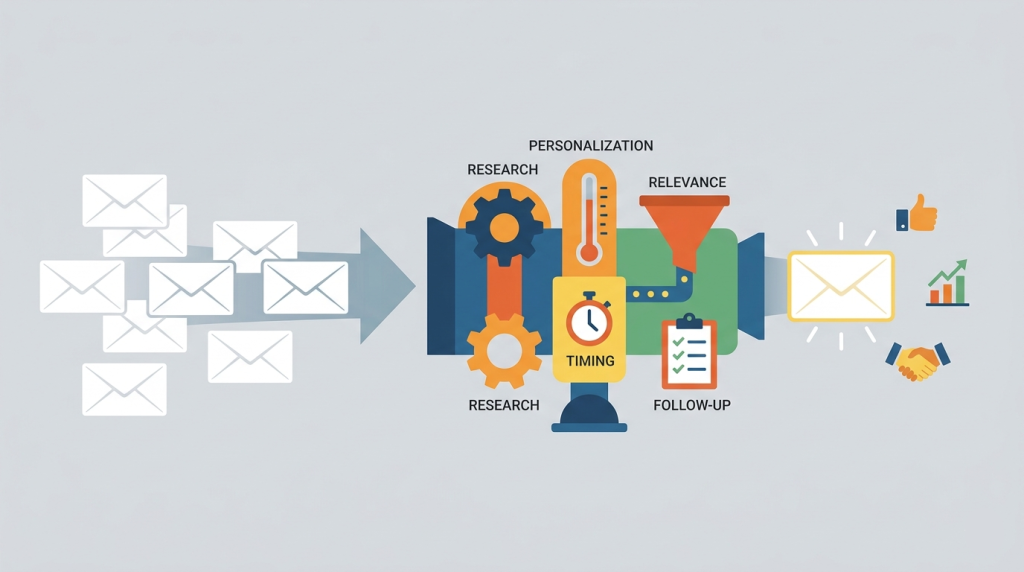
The ultimate defense against spam filters is to write emails that people actually want to read. When your recipients open, click, and reply to your messages, they are training the filters that you are a trusted sender.
Focus on personalization, provide genuine value, and avoid the linguistic shortcuts of the "hard sell." By steering clear of this ultimate list of spam trigger words and prioritizing authentic communication, you ensure that your voice is heard in an increasingly crowded digital world.