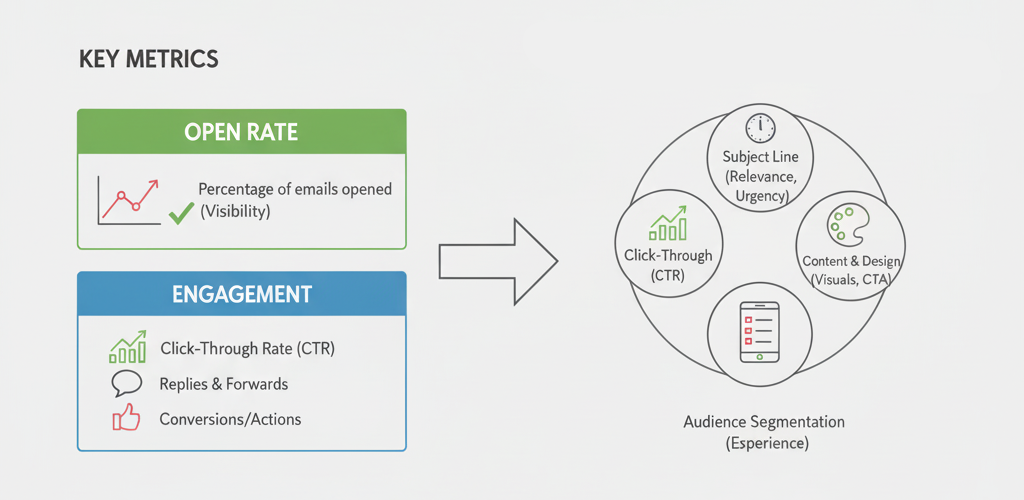
My Open Rates are Dropping: Is Your Sending IP Reputation Ruined?
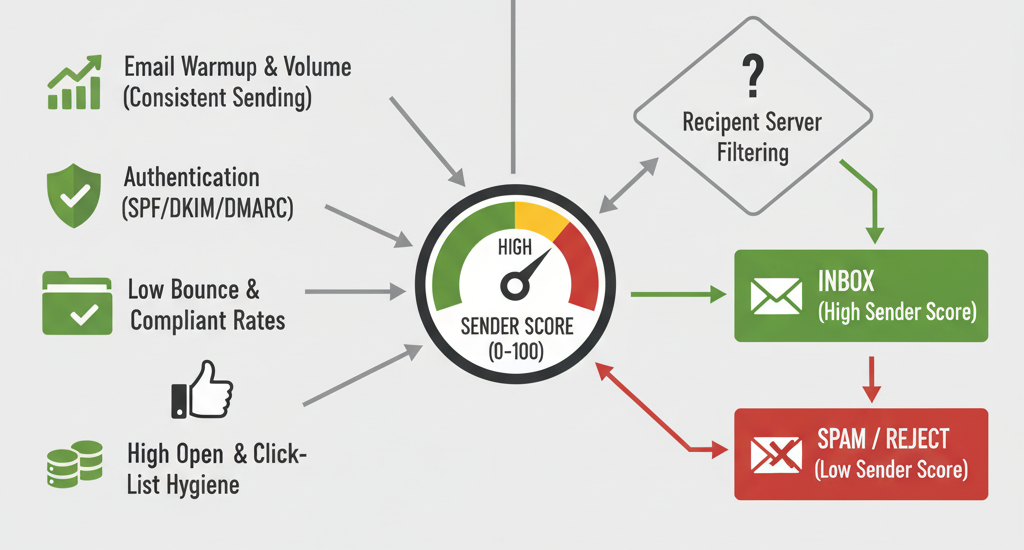
When your email open rates start declining, it's often a symptom of deeper deliverability issues. A dropping open rate can indicate problems with your
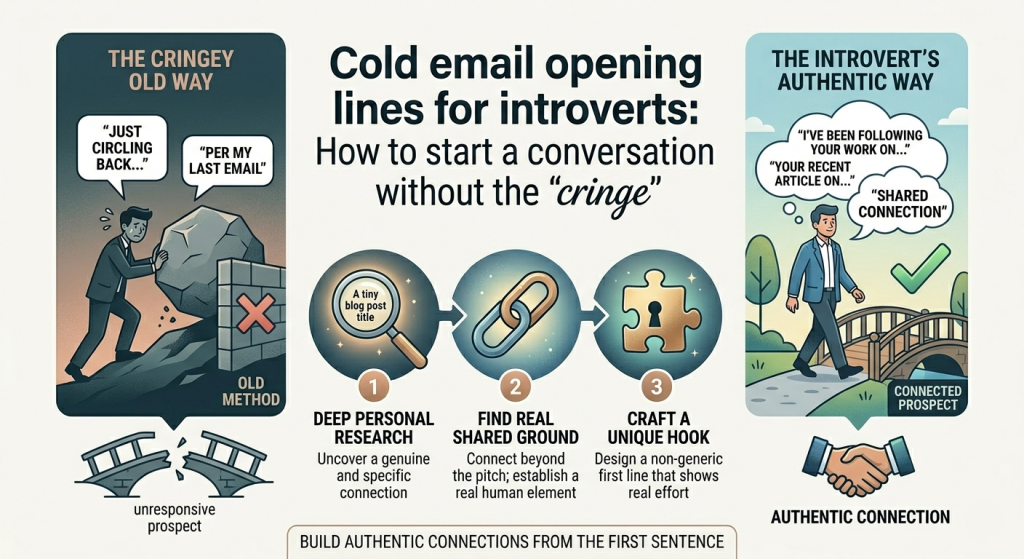
"Learn how to craft cold emails that convert for introverts. Avoid cringe and start conversations effectively."
The "cringe" happens when there is a gap between who you are and what you're writing. Most cold email advice tells you to be "bold," "disruptive," or "energetic." For an introvert, performing that persona is exhausting and, frankly, obvious to the recipient.
In 2026, sincerity is the new scarcity. Introverts are naturally better at deep research and active listening. Use that. Instead of a "pitch," think of your email as a peer-level observation.
These work best for networking or reaching out to mentors. They focus on the recipient's work rather than your own needs.
"I read your recent piece on [Topic] and specifically appreciated your point about [Detail]—it changed how I’m thinking about [Project]."
Why it works: It proves you actually read their work and didn't just skim the headline.
"I just finished your interview on [Podcast]. Your perspective on [X] was a breath of fresh air compared to the usual advice."
Why it works: Everyone likes to know their voice was heard and appreciated.
"I’ve been using [Product/Framework] you developed for a few weeks now, and it’s solved a massive headache for my team."
Why it works: Direct feedback on something they built is incredibly rewarding.
"I noticed we’re both members of [Niche Group/Community]. I’ve been following your contributions there and..."
Best for: LinkedIn or professional Slack communities.
"I saw that you also transitioned from [Industry A] to [Industry B]. As someone currently in that process, I'd love to..."
Best for: Career switchers or peer-level networking.
"Congratulations on the [Recent Launch/Award]. I’ve been following [Company Name] since [Year] and it's great to see..."
Best for: Reaching out to founders or high-level execs.
Introverts often prefer small, structured interactions. Ask for one specific insight rather than "coffee" or "30 minutes of your time."
07. The Micro-Question
"If you had to pick just one book that influenced your [Skill], what would it be?"
08. The "Resource" Check
"I’m looking into [Topic]—do you have a favorite resource for someone just starting out?"
09. The "Perspective" Ask
"I’m stuck between [Option A] and [Option B]. Given your experience with [X], which feels more sustainable?"
| The "Cringe" Lead | The "Classy" Alternative | Why it Wins |
|---|---|---|
| "I'd love to pick your brain over coffee sometime!" | "I have a specific question about [Topic]—could I ask it via email?" | Lower friction and respects their time (and your energy). |
| "I know you're busy, but I'll make this quick..." | "I’ll jump straight to the point to respect your time." | Removes the "apologetic" tone and shows confidence. |
| "I am reaching out to discuss a collaboration..." | "I’ve been following your work on [X] and noticed a gap where I might help." | Replaces vague "corporate-speak" with tangible value. |
The most "introvert-friendly" way to end an email is to give the recipient permission not to respond. This paradoxically makes them more likely to reply because the pressure is gone.
When your email open rates start declining, it's often a symptom of deeper deliverability issues. A dropping open rate can indicate problems with your
Emergency recovery strategies to quickly improve your sender reputation and restore email deliverability
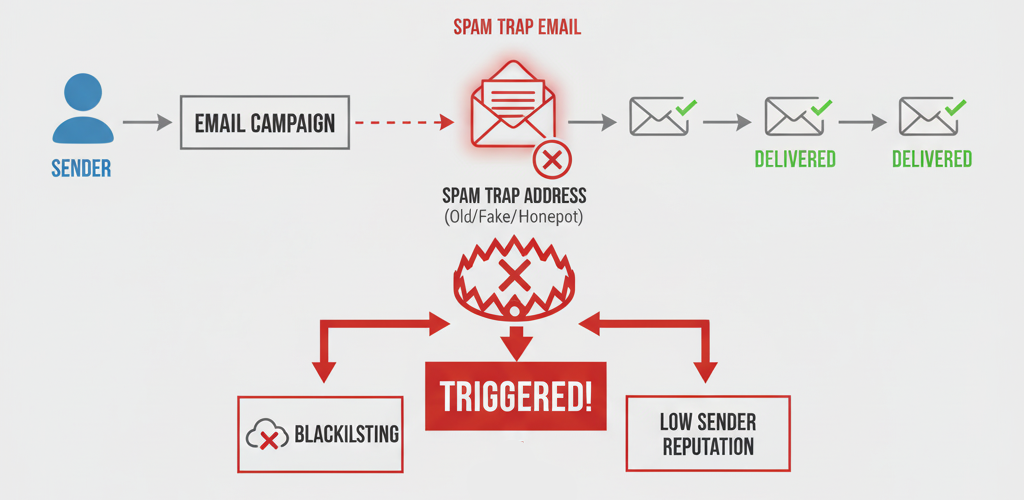
Spam traps are email addresses created specifically to identify and catch spammers. Unlike regular email addresses, they're not used by real people an
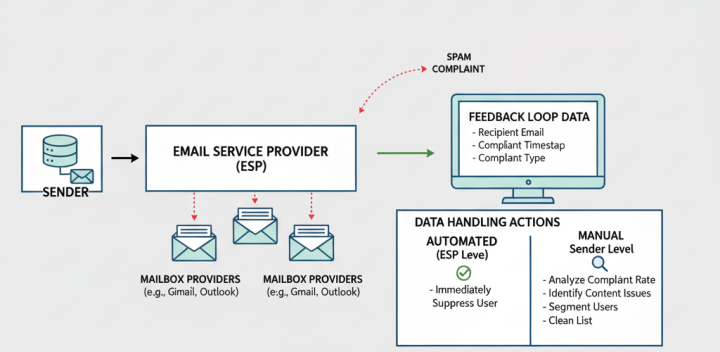
Google Postmaster Tools is a free service that provides senders with data about their email performance in Gmail. It offers insights into delivery err